
Polyurethane Concrete Lifting in Fall River, MA
Request On-Site Inspection
Get a fast technician assessment for polyurethane slab lifting in Fall River.
The Geotechnical Reality of Coastal Fall River
Fall River concrete doesn't just sink on its own. The geological profile of coastal Massachusetts actively attacks the subgrade beneath every driveway, walkway, and warehouse floor in the city. Between the brutal freeze-thaw cycles of a New England winter and the heavy rain runoff typical of coastal storm fronts, the dirt holding up your slab is constantly shifting. Water finds a path. It always does.
It scours out the granular base, moving fine soil particles down the water table and leaving massive subterranean voids. The heavy concrete slab is suddenly left floating in the air. Under its own immense weight, or the dynamic load of a vehicle, it drops. It cracks. It creates a brutal tripping hazard and destroys proper water drainage grading. When dealing with sunken concrete in Fall River, pumping traditional mudjacking slurry is dead technology. We run high-pressure polyurethane concrete lifting—specifically high-density foam injection—to permanently stabilize the soil strata and lift the slab strictly back to a flush grade.
The Geotechnical Failure of Mudjacking
To grasp exactly why we deploy polyurethane polymers instead of cementitious grout, you have to look at the mechanics of failure. Fall River soil profiles are highly variable, often filled with coastal sand, loose organic material, or uncompacted fill dirt. When hydrostatic pressure builds against your retaining walls and under flatwork during heavy spring rains, the ground becomes saturated and weak.
Weighs ~100 lbs/cu ft. Adds massive dead weight on top of a compromised dirt base, forcing secondary settlement.
Weighs only 2.0 to 3.0 lbs/cu ft with immense compressive capacity. Replaces heavy slurry with a lightweight polymer block.
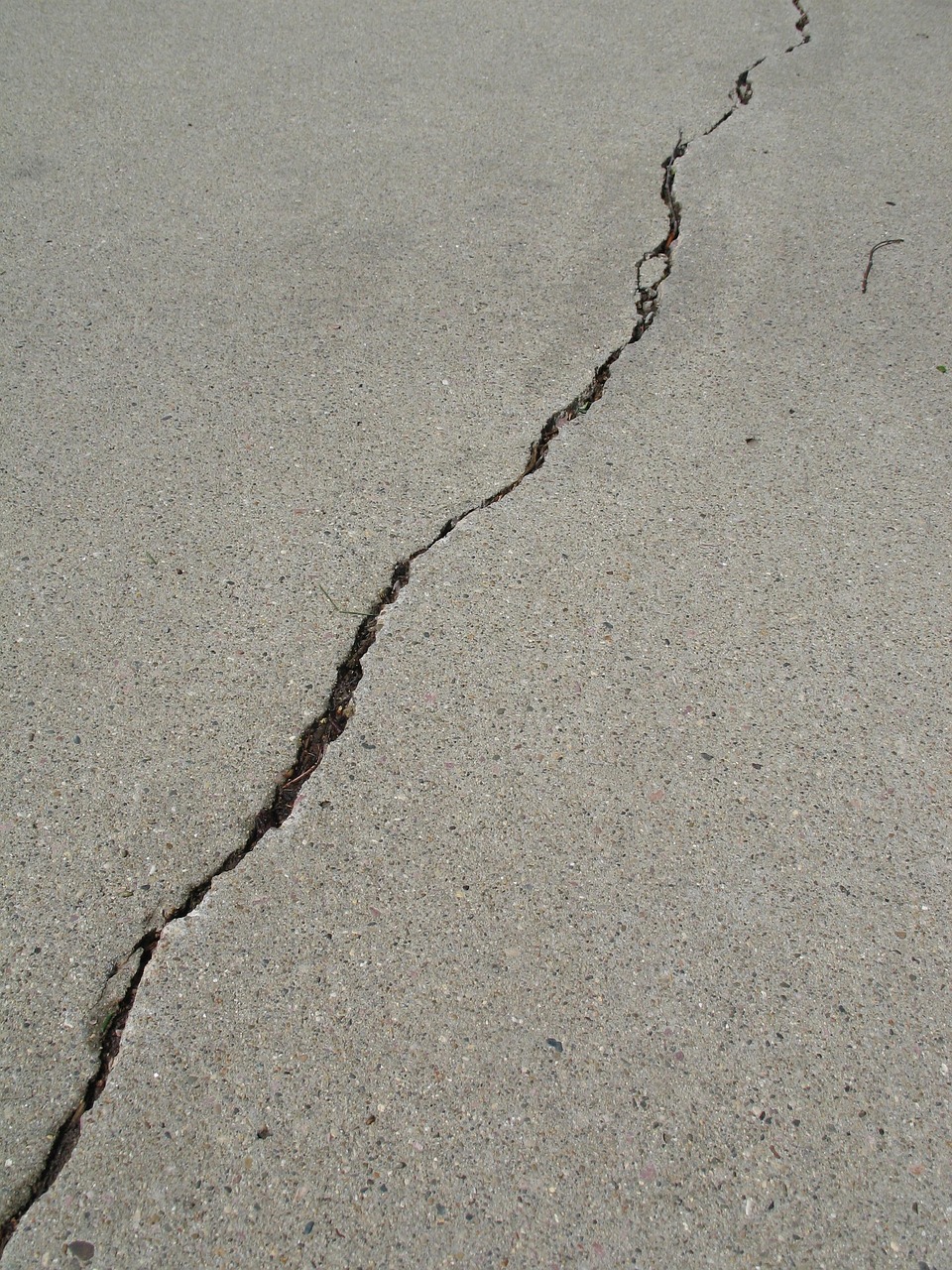
Tension Shear Along Unsupported Joints
Slabs that lack deep sub-base support develop linear shear cracks. Precision poly injection delivers controlled, micro-lift accuracy through 5/8-inch penny ports without heavy machinery damage to your lawn or hardscapes.
Our polyjacking operation relies entirely on a closed-cell, two-part polyurethane structural foam. We strictly push a 2.0 to 3.0 PCF (pounds per cubic foot) density material. This is the exact metric that dictates structural integrity. A 2.0-3.0 PCF density foam is engineered to support extreme dynamic and static loads—fully loaded box trucks pulling into commercial loading docks, heavy forklifts pivoting on warehouse floors, and massive structural footings.
Hydrophobic Properties & Washout Prevention
Fall River weather means dealing with heavy water. Nor'easters and intense coastal storm cells dump massive amounts of water that immediately seek the path of least resistance—usually right under your driveway or patio. Our 2.0-3.0 PCF foam is entirely hydrophobic. Once the chemical triggers and begins expanding, it is completely hydro-insensitive.
It cures perfectly in the presence of standing or running water. If you have active water moving through a void, the aggressively expanding foam violently displaces the water, packs the void completely tight, and hardens. Unlike cement grout that dilutes, washes out, and compromises its own compressive strength when mixed with groundwater, polyurethane maintains exact structural density. It will never break down. It will never degrade. It does not wash out, regardless of how much rain hits the coast.
Step-by-Step Inspection & Precision Void Mapping
You do not just blindly drill holes and start shooting chemical. A professional polyurethane lifting job requires exact void mapping:
1. DCP Penetrometer Subgrade Test
We run a dynamic cone penetrometer (DCP) to gauge exact compaction levels of the soil down to three feet to establish the failure plane.
2. Penny-Sized 5/8-Inch Ports
We drill 5/8-inch ports strategically mapped to slab pivot points and load zones, avoiding the massive 2-3 inch scars of mudjacking.
3. Mechanical Injection Packers
Expanding rubber sleeves lock the ports firmly into the concrete, containing 1,500 PSI delivery without surface blowout.
Plural-Component Equipment Mechanics
The backbone of the operation is the high-pressure, plural-component proportioner rig hard-mounted inside our enclosed trailer. The raw chemical arrives in two massive 55-gallon drums: an A-side (polymeric isocyanate) and a B-side (polyol resin blend). The proportioner pulls the chemicals and mechanically pressurizes them while heating both lines to a strict 120-130 degrees Fahrenheit. That liquid is pumped at 1,000 to 1,500 PSI down a specialized, heated hose straight to the operator's injection gun.
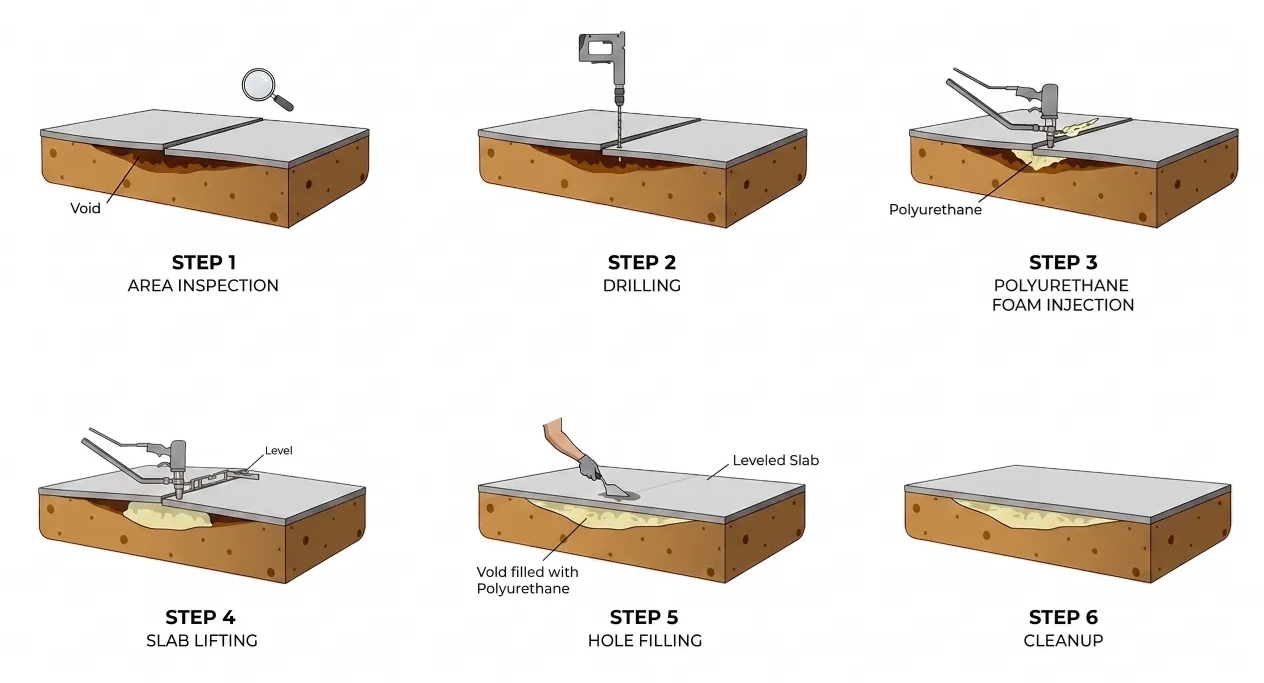
Temperature and pressure are absolute law. If the chemicals drop below 120 degrees, the reaction slows, the expansion fails, and you are left pumping heavy, unreacted liquid into the dirt. At the gun, the A and B chemicals crash together inside a precision mixing chamber the exact microsecond the operator pulls the trigger. The mixed liquid shoots down through the mechanical packer and deep under the slab. Within seconds, a violent exothermic chemical reaction kicks off. The liquid expands up to 20 times its original volume, packing every microscopic crack before exerting immense upward lifting force.
Operator Execution & Failure Analysis
Lifting concrete requires precision trigger control. We monitor the lift using digital laser levels accurate to the millimeter. The operator pulses the gun trigger, actively lifting the slab in highly controlled, fractional increments of 1/8 of an inch. We stop the moment the slab is perfectly flush with the adjacent concrete.
Off-Ratio Prevention Protocol
If the Y-strainer on the A-side clogs, the machine pushes excess B-side resin, producing soft, unusable foam. If the A-side pressure deviates by even 200 PSI, we stop immediately, bleed high-pressure lines, clear intake filters, and rebuild the mixing chamber. Zero compromised foam is shot.
Kinetic binding is another vital failure point. If an expansion joint is bound by packed gravel and hardened dirt, the sunken panel is wedged against the higher panel. We run a gas-powered concrete saw down bound joints to ensure complete free-floating relief before applying lift pressure.
Deep Soil Injection & 15-Minute Cure Times
Coastal soil profiles often hide organic peat or loose, uncompacted fill dirt several feet down. For deep consolidation, we drive heavy steel injection pipes 3, 4, or 5 feet deep straight into the failing strata, building rigid vertical columns of polymer pillars straight up to the slab bottom.
While old mudjacking slurry takes 24 to 48 hours to dry, our polyurethane reaches 90% of final structural compressive strength in exactly 15 minutes. The exothermic chemical reaction generates intense heat, baking the foam into a solid mass. You can drive a 10,000-pound truck directly onto the slab immediately after cleanup.
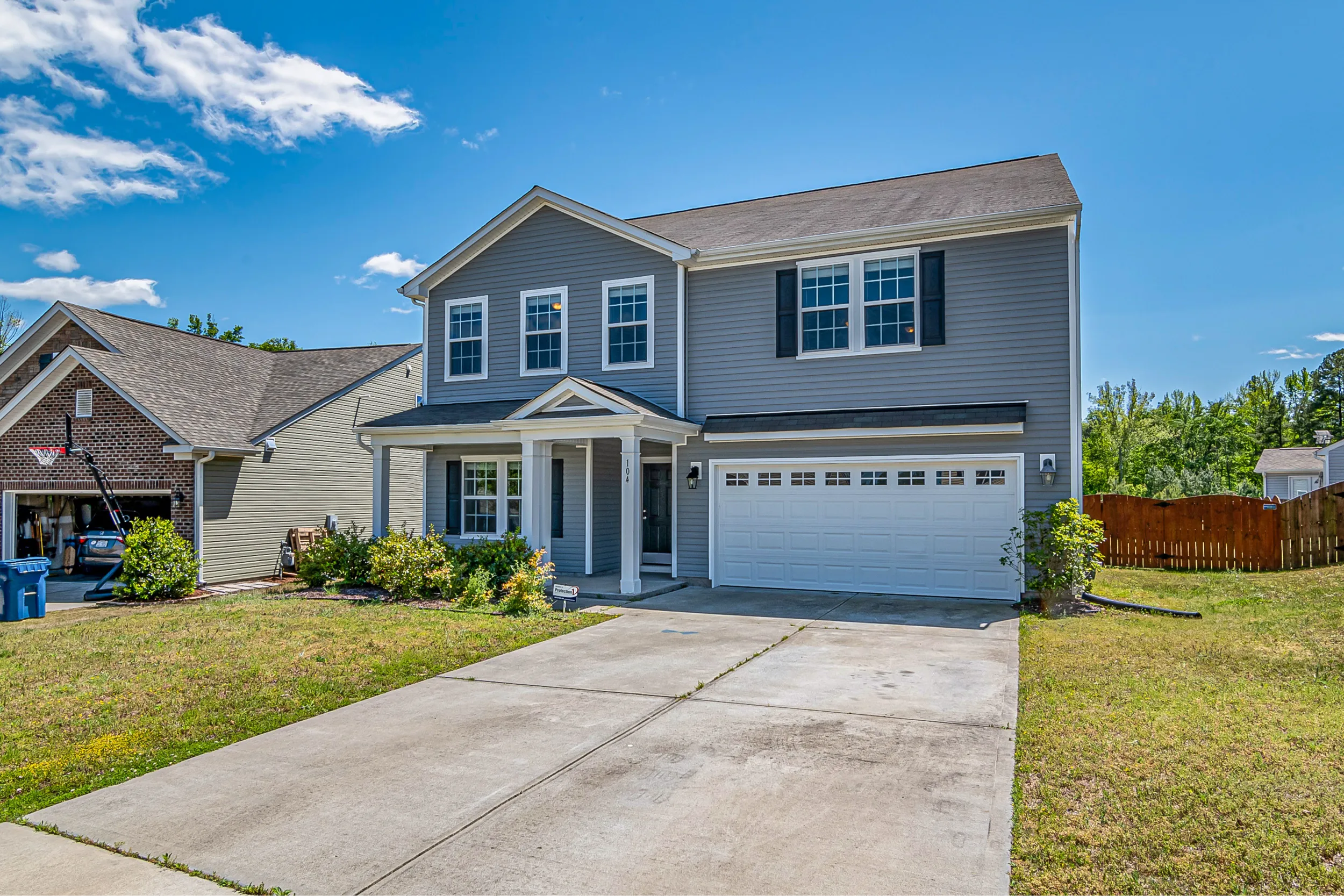
Restore Your Slabs with Zero Downtime
Serving Fall River, Somerset, Swansea, Westport, Dartmouth & Bristol County.