
Driveway Leveling in Fall River, MA
Get Driveway Estimate
Submit your driveway specs for immediate review by our Fall River crew.
Subgrade Erosion Across Fall River Neighborhoods
Concrete driveways in Fall River take relentless abuse. Between the heavy coastal storm runoff and brutal New England freeze-thaw cycles, the subgrade under your concrete is in a constant state of flux. Up in the higher elevation neighborhoods like Steep Brook, or across the densely packed residential grids of Maplewood, the native soil profiles are highly susceptible to erosion.
Water constantly washes out the fine soil particulates beneath your slabs. Once that granular base washes down the slope or into the water table, you are left with massive subterranean voids. The concrete is left completely unsupported. When you park a 6,000-pound truck on a hollow slab, the concrete flexes. Concrete does not bend; it snaps. Driveway leveling Fall River MA requires attacking the root cause of the failure: soil stabilization. We use high-pressure polyurethane injection to pack the voids, stabilize the base, and lift the concrete strictly back to grade.
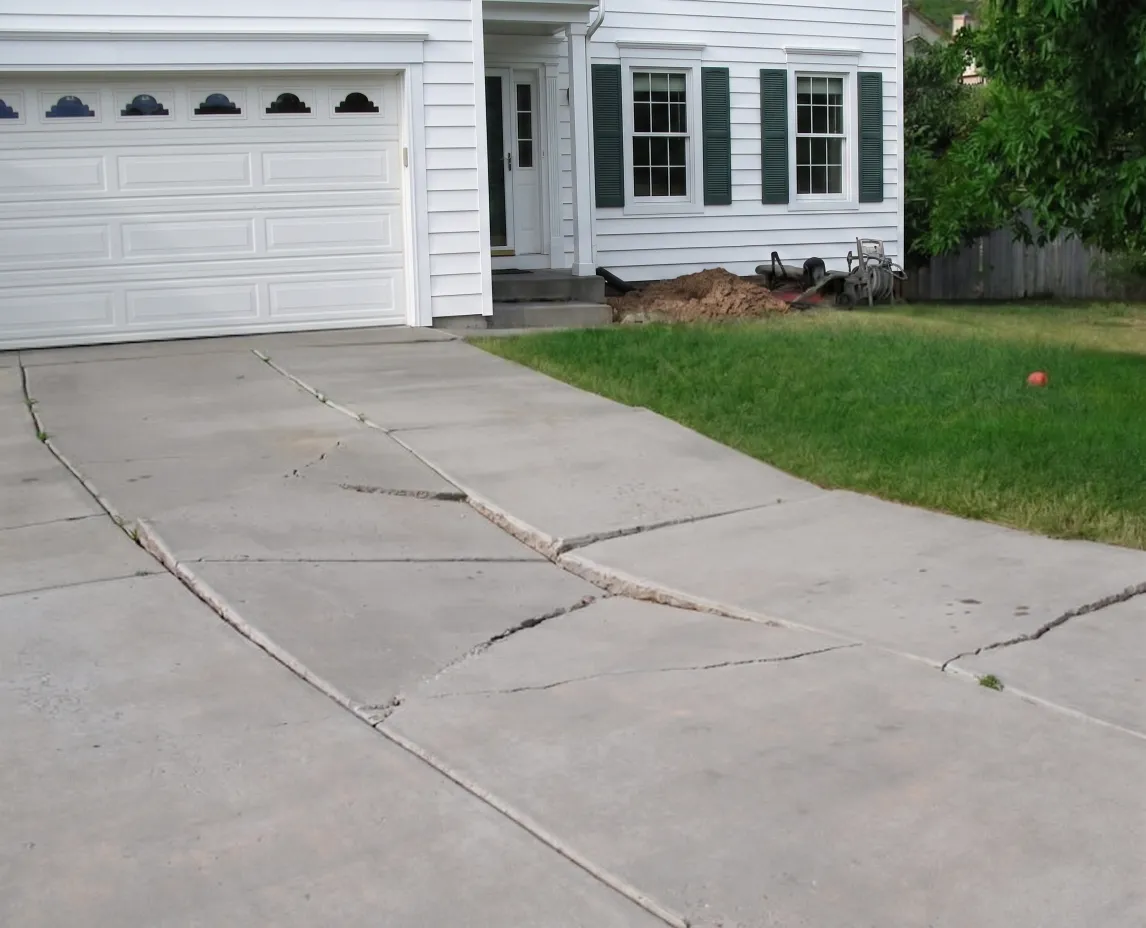
The Garage Apron Failure Mechanism & Reverse Pitch
The most common structural failure point on any residential property is the driveway apron—the specific concrete slab that bridges the gap between your driveway and your garage foundation. Almost every sinking driveway repair starts right here. The reason is tied directly to how the house was built:
Foundation Backfill Consolidation
Contractors over-dig foundation trenches and backfill with uncompacted soil. Over 5 to 20 years, this loose dirt consolidates. When the apron drops 2-3 inches, it reverses the water pitch—funneling hundreds of gallons of rain runoff straight into your garage and foundation walls.

This hydrostatic pressure penetrates block walls, causes basement flooding, and degrades the structural integrity of your home. Proper driveway apron lifting Fall River permanently corrects this pitch. We lift the apron to restore positive drainage immediately.
Dynamic Vehicle Loads on Hollow Voids
A concrete slab sitting on compacted dirt can hold massive weight because the load is transferred directly into the earth. When a void opens up beneath the slab, that transfer is broken. When a heavy SUV rolls over a voided driveway panel, the weight shifts aggressively from the front axle to the rear axle, causing a see-saw grind that shatters expansion joints.
Adds ~100 lbs per cubic foot of heavy cement slurry. Compresses failing soil further, triggering repeat drop within months.
Adds only 2 to 3 lbs per cubic foot. Replaces heavy slurry with a rigid structural polymer capable of handling commercial vehicle weight.
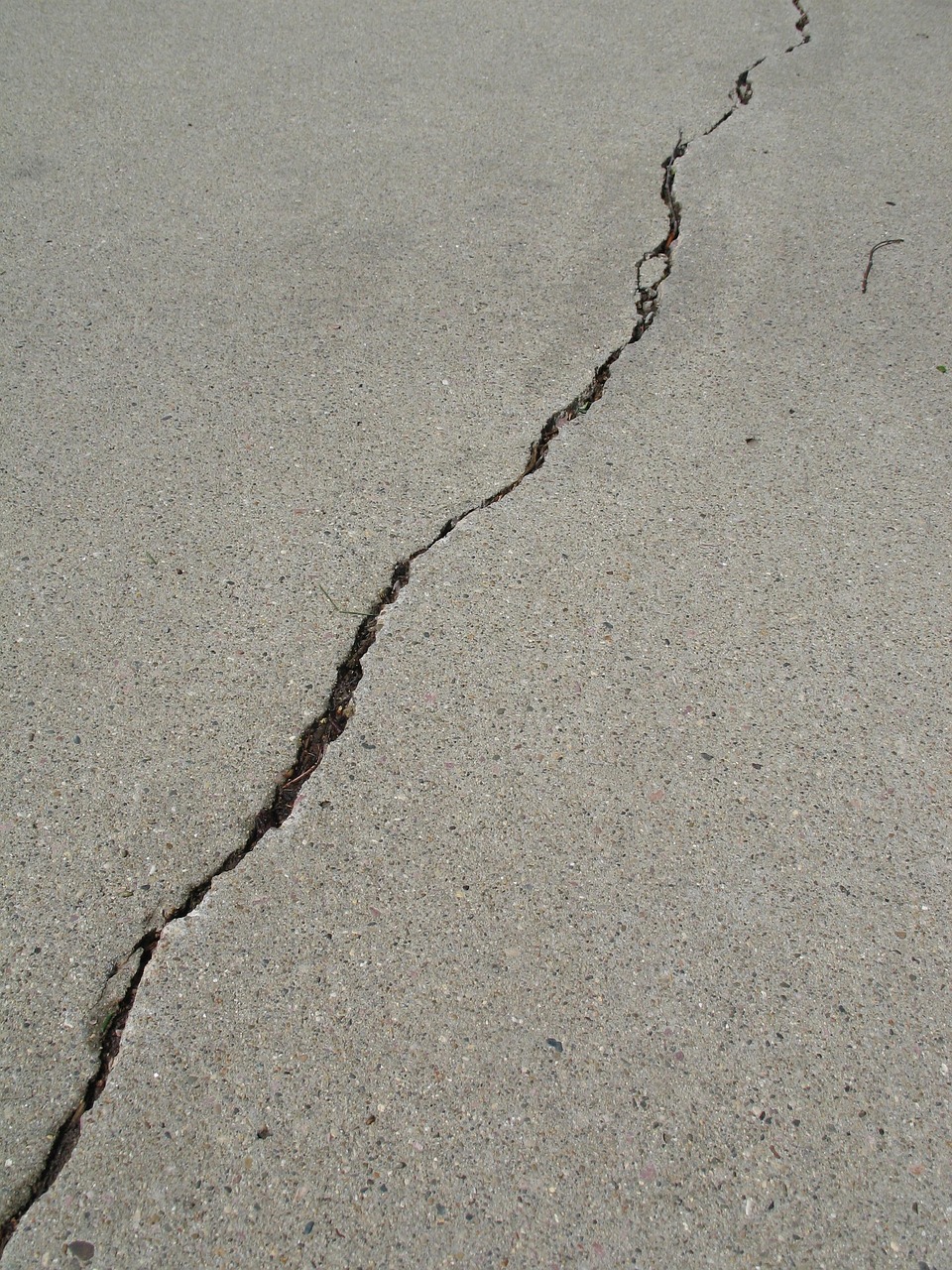
Sub-Slab Void Fracture Mechanics
When vehicle tires roll across an unsupported driveway panel, the tensile force exceeds concrete's internal strength. High-density polyurethane injection fills these subterranean voids before cracks spread across adjacent panels.
Subgrade Void Mapping & Plural-Component Precision
We do not guess where the void is. Pumping chemical blindly is how contractors destroy property:
DCP Penetrometer Testing
We map soil compaction to identify if the void is near-surface or consolidated down 3 feet.
Penny-Sized 5/8-Inch Injection Ports
No massive 2-inch mudjacking holes. Mechanical packers create an air-tight seal for 1,500 PSI delivery.
120-130°F Plural-Component Proportioner
Isocyanate and Polyol resin crash at the mixing chamber, expanding up to 20x in volume to pack every pocket solid.
Kinetic Relief & Equipment Failure Prevention
Driveway lifting goes wrong instantly if the operator fails to monitor the rig. If the Y-strainer on the A-side clogs with crystallized material, the machine pumps more B-side resin, creating spongy foam. If pressure deviates by even 200 PSI, we stop immediately, bleed the lines, clean filters, and rebuild the chamber.
Kinetic binding is another major failure point. When rocks and dirt lock expansion joints together, an unreleased slab will snap under pressure. We saw-cut bound joints to free-float the slab before applying upward lift.
Hydrophobic Curing & Immediate Traffic Return
The polyurethane foam we use is strictly closed-cell and completely hydrophobic. Even with active groundwater moving through a void, the expanding foam violently pushes the water out, packs the cavity tight, and hardens. It will not wash out or degrade over time.
While traditional mudjacking takes 24 to 48 hours to dry, our polyurethane reaches 90% of structural strength in 15 minutes. We remove packers, patch the tiny penny holes with color-matched cement, and you can immediately drive your vehicles back into the garage.
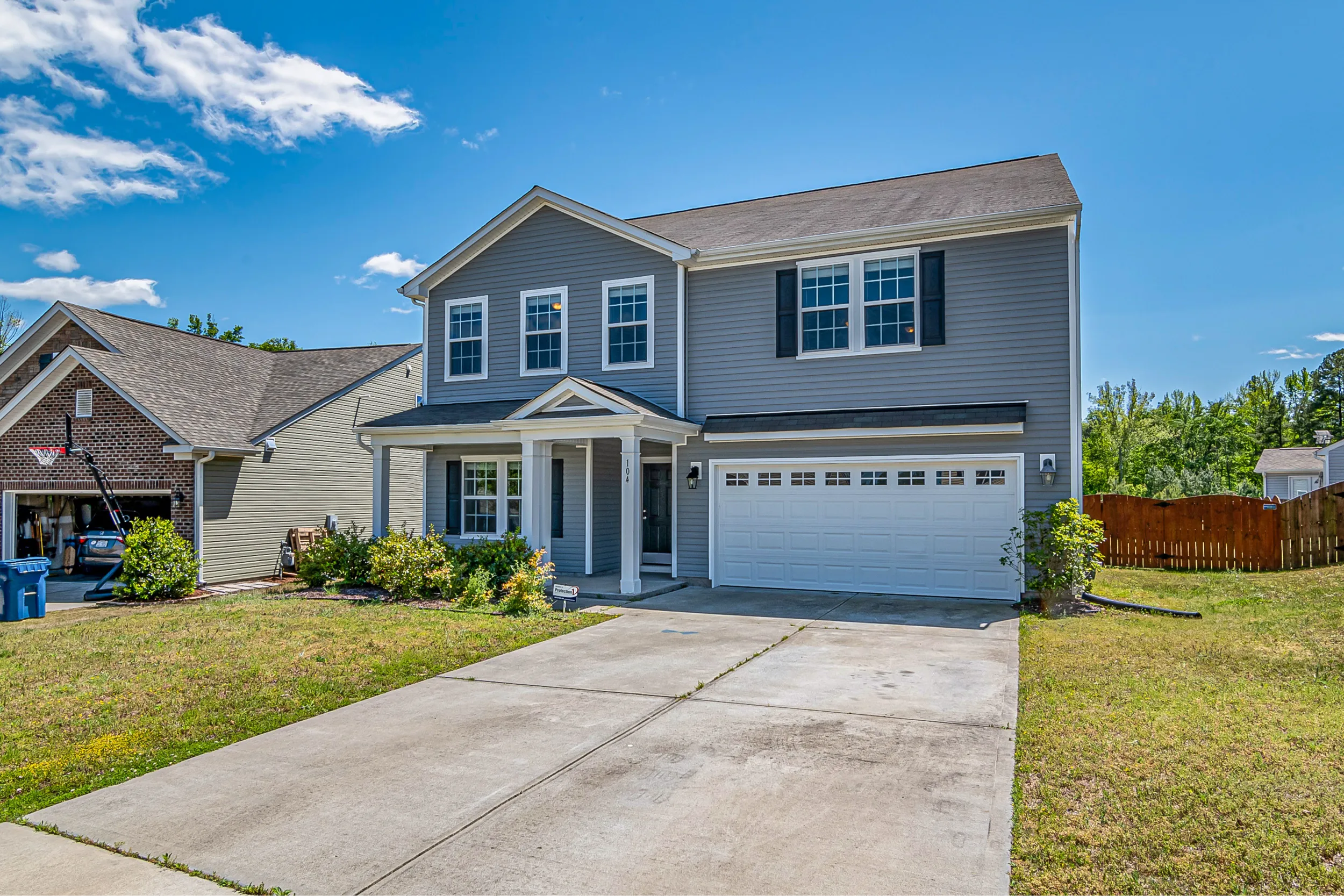
Fix Sinking Garage Aprons & Slabs
Immediate 15-minute drive-on cure times across Fall River and Bristol County.