
Concrete Leveling in Fall River, MA
Get Fall River Estimate
Direct geotechnical pricing from our local Fall River field crew.
Topographical Elevation & Sub-Base Erosion in Fall River
A concrete slab rarely cracks or drops because of defective aggregate mixing; it fails because the ground underneath has physically evacuated. In Fall River, concrete flatwork battles an aggressive combination of steep granite topography, dense Bristol County clay subsoils, and extreme coastal New England weather cycles.
From the elevated granite bluffs of The Highlands overlooking Mount Hope Bay down to the historic mill districts along the Quequechan River and Bedford Street, Fall River properties sit on severe elevation gradients. During torrential coastal nor'easters and spring snowmelt, surface runoff accelerates down these hillsides. Water funnels beneath residential driveways, commercial warehouse loading docks near Route 24, and front walkway steps, carrying fine aggregate and sandy loam with it.
As this subterranean erosion scours channels beneath the slab, the concrete is left bridging empty air pockets. When the ground freezes during winter, moisture trapped in the clay expands into ice lenses, pushing slabs up in a process known as frost heave. During the spring thaw, the soupy, saturated soil collapses, leaving massive hollow cavities. The unsupported dead weight of the concrete panel—combined with daily passenger car and delivery van traffic—causes the slab to shear along stress joints and drop one to four inches below grade.
Granite ledge transitions and steep slopes cause aggressive lateral stormwater runoff that washes subgrade gravel out from under driveway transitions.
Dense multi-family properties with high soil saturation experience severe frost-heave faulting and trip hazards on shared entry walks and steps.
Heavy truck vibration combined with high water tables accelerates subgrade consolidation beneath commercial parking areas and bay aprons.
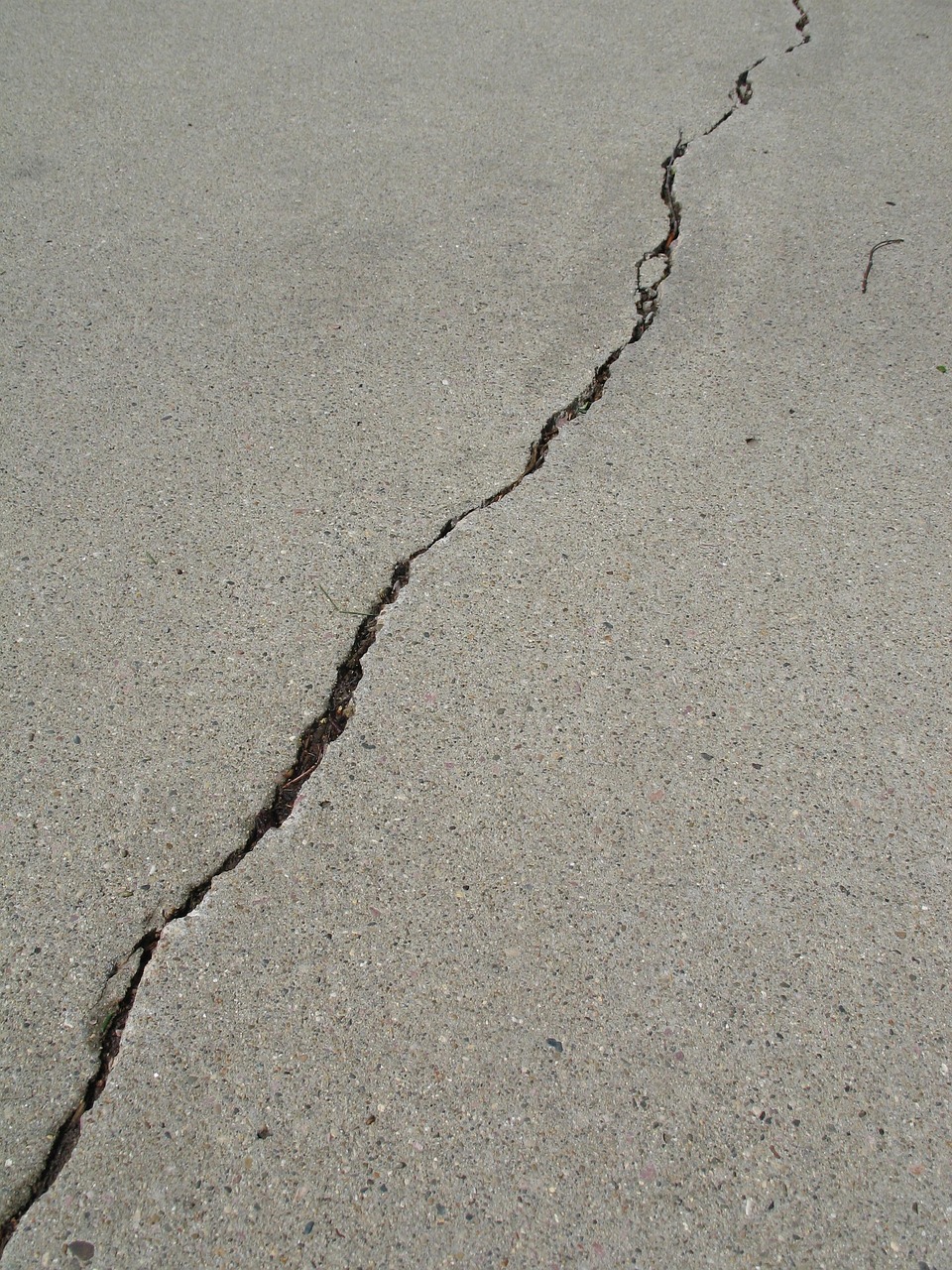
Subsurface Void Channeling & Frost Heave Shear
Heavy runoff along Fall River's steep topography erodes subgrade fines beneath driveways and entry steps. High-density polyurethane foam locks the aggregate foundation and raises settled slabs back flush.
Polyurethane Foam Injection vs. Heavy Cement Mudjacking
Property owners evaluating concrete repair in Fall River are often presented with traditional mudjacking as a budget solution. Mudjacking pumps a wet slurry composed of quarry sand, topsoil, and Portland cement weighing 100 to 120 pounds per cubic foot. In Bristol County's saturated clay soil, adding several thousand pounds of wet cement slurry introduces severe structural surcharge weight. The heavy slurry overburdens the already failing subgrade, leading to secondary settlement within 12 to 24 months.
Furthermore, mudjacking requires drilling large two-to-three-inch core holes across the surface of your driveway or walkway. These massive circular scars are unsightly, allow surface water penetration around the perimeter of the patch, and create weak shear nodes in the concrete matrix.
Our high-density plural-component polyurethane foam weighs only 2.0 to 4.0 pounds per cubic foot—less than 4% of the weight of mudjacking slurry. When injected through tiny 5/8-inch penny-sized ports, the chemical reaction expands with immense hydraulic force, packing weak soil strata downward before lifting the slab smoothly back to its original engineered height.
Mudjacking Failure Risks
- • 100+ lbs/cu ft slurry causes severe secondary subgrade settlement
- • Absorbs groundwater and shatters during winter freeze-thaw cycles
- • Massive 2-to-3-inch core drill holes destroy concrete aesthetics
- • Requires 24 to 48 hours of curing before receiving vehicle traffic
Polyjacking Engineering Standards
- • Ultra-light 2.0-4.0 PCF material adds zero dead weight to weak clay
- • 100% closed-cell hydrophobic formulation repels water and prevents washouts
- • Tiny 5/8-inch penny ports patched with color-matched polymer grout
- • Reaches 90% compressive strength in 15 minutes for immediate traffic
Our 5-Stage Fall River Concrete Restoration Protocol
Subgrade Penetrometer Testing & Void Mapping
We use dynamic cone penetrometers and acoustic sounding rods to determine the exact depth of soil failure and map subterranean washout channels beneath the slab.
Kinetic Joint Relief & Vacuum Drilling
Expansion joints are saw-cut to remove bound debris and prevent pinch-point cracking during the lift. Discreet 5/8-inch ports are drilled on a calculated triangular grid.
Mechanical Packer Installation & Heated Injections
Expanding brass-and-rubber packers are seated in the ports. Our mobile proportioner heats polyol and isocyanate to 125°F, delivering the liquid at 1,200 PSI.
Hydrostatic Expansion & Precision Laser Leveling
The chemical expands 20 times in volume, densifying loose clay before lifting the concrete in 1/16-inch laser increments to restore positive drainage pitch.
Port Extraction & Polymer Cement Finishing
Packers are removed, and drill ports are patched flush with color-matched polymer-modified cement grout. Control joints are sealed with commercial polyurethane caulk.
Full-Service Concrete Leveling Across Fall River, MA
Residential Driveway & Apron Leveling
Lifting sunken driveway panels and threshold aprons to eliminate suspension damage, eliminate ponding, and protect garage stem walls from moisture rot.
Sidewalk & Walkway Trip Hazard Removal
Aligning faulted pedestrian slabs on North Main, Plymouth Ave, and residential side streets to meet municipal safety codes and eliminate personal injury liability.
Patio & Pool Deck Restoration
Leveling settled backyard slabs and stamped concrete pool aprons, restoring positive water shedding away from home foundations without damaging coping joints.
Commercial Warehouse & Bay Stabilization
Stabilizing rocking joint slabs and loading docks subjected to continuous 10,000-lb forklift traffic along the Route 24 and industrial park corridors.
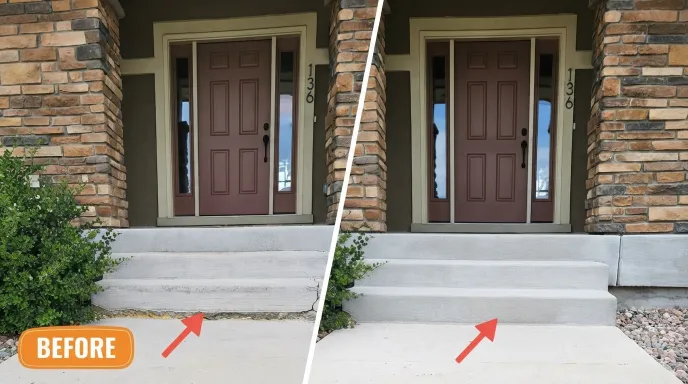
Eliminated 3-inch step fault at residential entryway without demolition.
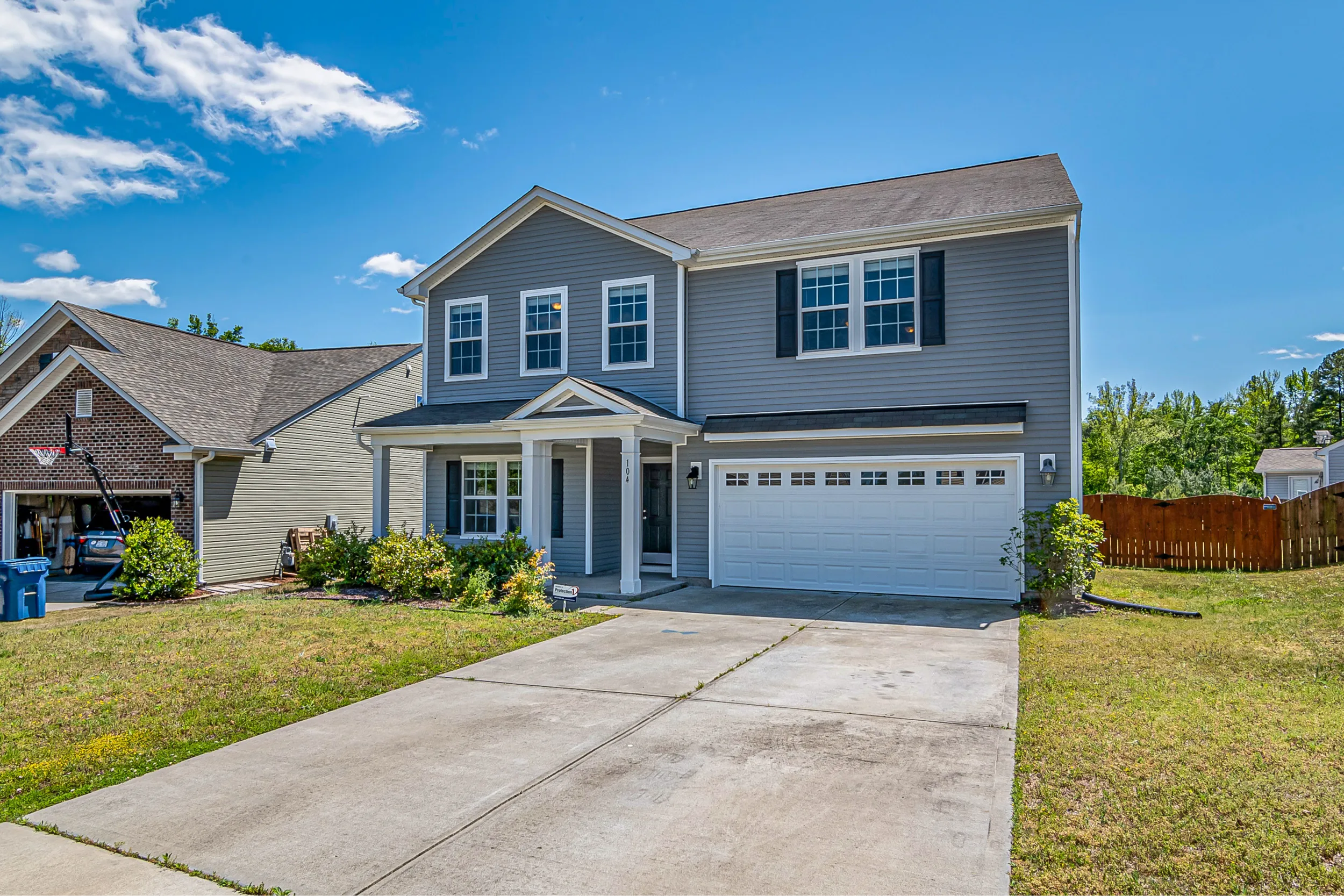
Subgrade stabilized and concrete returned to grade with 15-minute cure time.
Restore Your Sinking Concrete in Fall River
Serving Fall River, Somerset, Swansea, Westport, Dartmouth, and Freetown. 15-minute return to service. Call our local dispatch today.